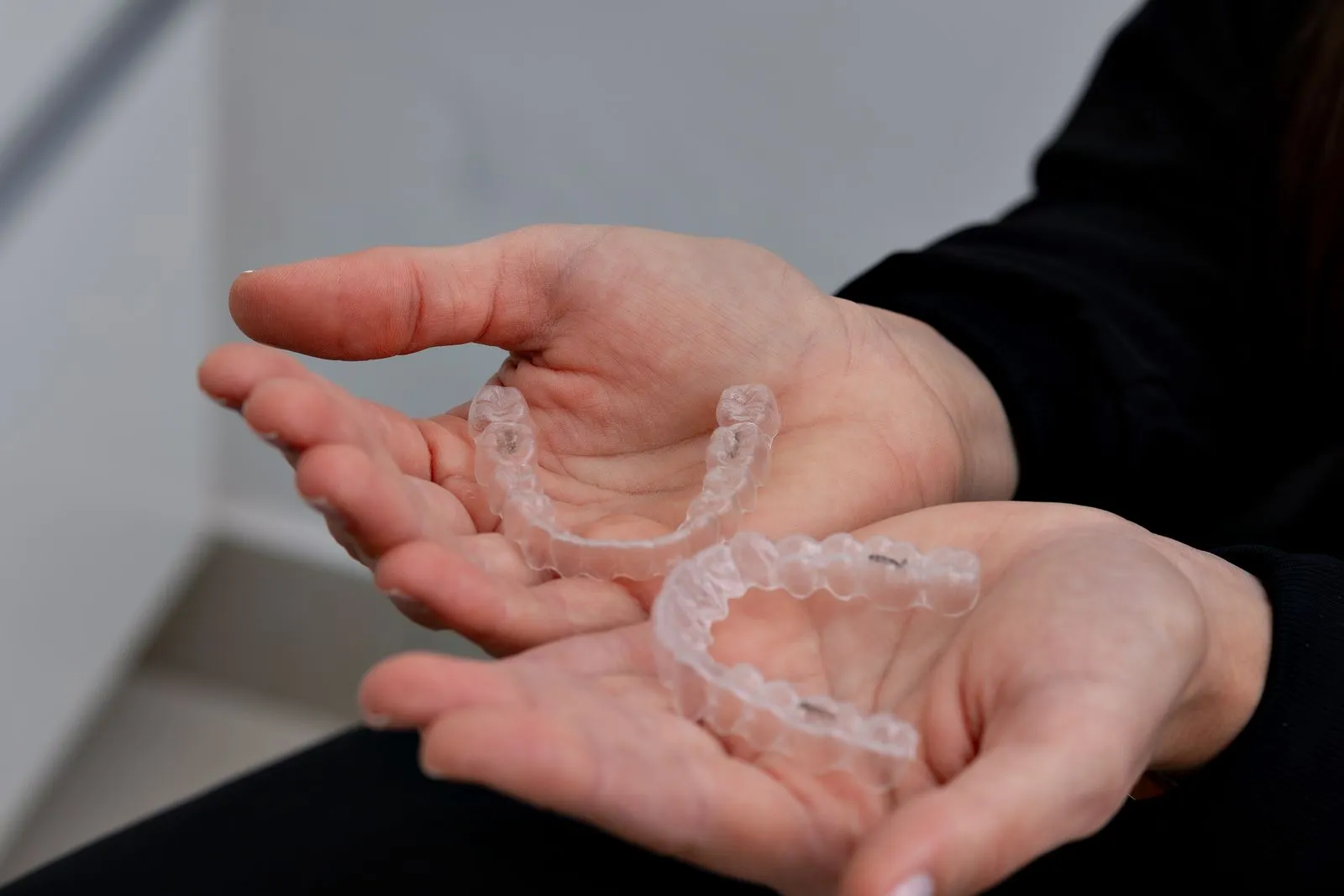
A bite is the way your upper and lower teeth meet when you close your mouth. Small differences are common, but some patterns can make chewing, speaking, or cleaning your teeth harder. You may notice that your teeth do not meet evenly, or that your jaw feels strained. These signs do not confirm a specific problem, but they can be good reasons to ask an orthodontist for an assessment and guidance tailored to your teeth and jaw.
Notice how your teeth meet
When you close your teeth gently, look for obvious gaps between teeth that should touch, or teeth that meet before the rest. An overbite, underbite, or crossbite can also affect how the upper and lower teeth fit together. Avoid trying to diagnose the pattern yourself; an orthodontist can assess your bite and explain whether it needs attention.
Crowding or overlapping teeth may make brushing and flossing difficult. Teeth that sit unusually far apart can also affect how your bite feels. Take note if these features are new, changing, or causing practical problems, such as food regularly becoming trapped. Sharing those details can help the clinician understand what prompted your visit.
Pay attention to daily function
Notice whether you often bite your cheek or tongue, struggle to bite through certain foods, or feel that chewing is uneven. Speech changes can have many causes, but if you have concerns about how your teeth fit or your tongue moves, mention them during an evaluation. A symptom’s cause may not be orthodontic, so a professional assessment is more useful than guessing.
Jaw soreness, clicking, or stiffness can occur for different reasons and does not automatically mean your bite needs treatment. Still, recurring discomfort, difficulty opening your mouth, or pain that affects eating deserves attention from a dental professional. Seek prompt care for sudden, severe symptoms or an injury rather than waiting for a routine orthodontic visit.
Watch for tooth wear or change
Unevenly worn, chipped, or sensitive teeth may be worth discussing with your dentist, especially if you also notice an uneven bite. Clenching and grinding can contribute to wear, and tooth damage can have several causes. An orthodontist can assess tooth alignment, while your general dentist can check for decay, cracks, gum concerns, or other conditions that need separate care.
Pay attention to changes over time. Teeth can shift as you grow or as dental conditions change, and a bite that once felt comfortable may begin to feel different. If you have had orthodontic treatment, a broken or lost retainer can allow teeth to move. Contact your dentist or orthodontist for advice rather than forcing an old retainer that no longer fits.
Know when to book an assessment
Consider an orthodontic evaluation if a bite concern affects chewing, cleaning, comfort, or confidence, or if you see a noticeable change in tooth position. Children can also benefit from an assessment when a parent or dentist spots a concern; the orthodontist can advise whether to monitor growth or discuss care. An evaluation does not mean treatment is automatically needed.
Before your appointment, write down what you have noticed, when it began, and whether it happens during eating, speaking, or at rest. Bring questions about possible causes, timing, and options. At Cork Jaw Orthodontics in Cork, a professional assessment can help clarify whether your bite needs treatment, monitoring, or input from another dental professional.
Uneven tooth contact, crowding, chewing difficulty, jaw discomfort, or changing tooth wear can all be useful reasons to ask for an assessment. These signs do not identify the cause on their own, but an orthodontist can examine your bite and discuss appropriate next steps. If you have noticed a persistent concern, consider arranging a professional evaluation.